Performing Realness: The Strange Theater of Celebrity Authenticity Online
There's a specific kind of content that stops the scroll cold. A celebrity crying in their car. A pop star answering the door in sweats, visibly startled. A famous actor forgetting a word mid-sentence on a livestream. We call it "real." We share it with a reverence usually reserved for sacred artifacts. And somewhere in the back of our minds, we probably know we're being played — we just can't stop watching anyway.
Welcome to the uncanny valley of modern celebrity culture, where the most polished move a public figure can make is pretending they forgot the camera was on.
The Architecture of the 'Accidental' Moment
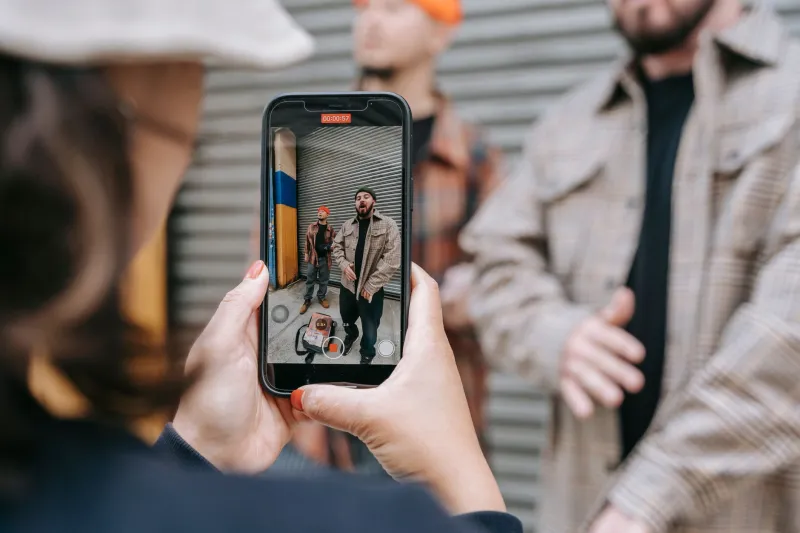
Let's be honest about something: virtually nothing that reaches millions of eyeballs online is accidental. The "candid" paparazzi shot outside a coffee shop? Called in. The emotional TikTok filmed in a car at a red light? Third take. The unannounced Instagram story that looks like a lazy Sunday? Strategically timed to drop during peak engagement hours on the East Coast.
This isn't cynicism — it's just the reality of how modern celebrity machinery operates. PR firms, social media managers, and brand consultants work around the clock to engineer moments that feel spontaneous. The irony is that this labor-intensive process of manufacturing rawness has become so refined, so technically sophisticated, that it takes genuine craft to pull off.
And yet audiences keep consuming it. We know, on some level, that we're watching a performance of a non-performance. We consume it anyway. That tension — between intellectual awareness and emotional buy-in — is exactly where things get interesting.
Why 'Real' Feels Like a Survival Need Right Now
The cultural timing here matters. We are living through a period where deepfake technology can put any celebrity's face on any body, AI voice cloning can replicate a person's speech patterns from a few minutes of audio, and entire social media presences can be ghost-managed by teams of people who have never met the person they're representing.
In that context, the desperate hunger for an unfiltered moment starts to make psychological sense. It's less about celebrity gossip and more about existential reassurance. If we can catch a famous person being genuinely awkward or visibly tired or emotionally unguarded, it confirms something we're quietly terrified of losing: the idea that real humans still exist behind the screens.
It's the same instinct that drives people to prefer vinyl records because they can hear the imperfections, or to seek out handwritten letters in an age of email. Flaws have become proof of life.
The Paradox That Feeds Itself
Here's where it collapses into something almost science-fictional. The moment audiences signaled that "authentic" content was what they wanted, the entertainment industry did what it always does — it industrialized the demand. Authenticity became a content format. Vulnerability became a brand strategy. "Raw" became a visual aesthetic with its own lighting kit and post-production workflow.
So now we have a situation where the most calculated celebrities are the ones who appear least calculated. The ones who seem to have no media training are, in many cases, the most thoroughly media-trained. The crying-in-the-car video isn't evidence that someone broke through the fourth wall. It IS the fourth wall, just repositioned.
What we're consuming isn't realness. It's a simulation of realness designed to satisfy our craving for realness, which was itself created by the absence of realness. It's a feedback loop that would feel right at home in a Philip K. Dick novel.
AI Is About to Make This So Much Worse
If you think the performance of authenticity is complicated now, wait until AI-generated celebrity content becomes indistinguishable from the real thing — which, depending on who you ask, is somewhere between two and five years away from mainstream deployment.
We're already seeing early versions of this. Digital avatars of deceased musicians performing new songs. AI-generated social media posts written in a celebrity's established voice. Deepfake cameos that fans can purchase. Each of these technologies chips away a little more at the already-fragile concept of a "genuine" celebrity moment.
At some point, the question won't be "is this real?" It'll be "does it matter if it's real?" And a frightening number of people may answer no — because the emotional response it generates is real, even if the source isn't.
What We're Actually Looking For
Maybe the most honest reading of this whole phenomenon is that we were never really looking for celebrities to be authentic. We were looking for permission to feel something. The "real" moment is just the delivery mechanism — a loophole in our own skepticism that lets the emotion through.
In that sense, the parasocial contract between audiences and public figures has always been a kind of collaborative fiction. We agree to believe in the persona. They agree to occasionally crack it just enough to keep us invested. Both sides understand the terms without ever saying them out loud.
What's changed is that the technology has gotten so good — and the stakes of being deceived feel so much higher — that the game has become genuinely disorienting. We're chasing something that may have never existed in the first place, through a landscape that's becoming harder to read with every algorithm update.
Somewhere between the crying car video and the AI-generated tour announcement, the line between the performance and the person disappeared. And honestly? We probably clicked on both.