Parallel Worlds, Parallel Ambitions: How Marvel and DC Are Fighting for the Soul of the Multiverse
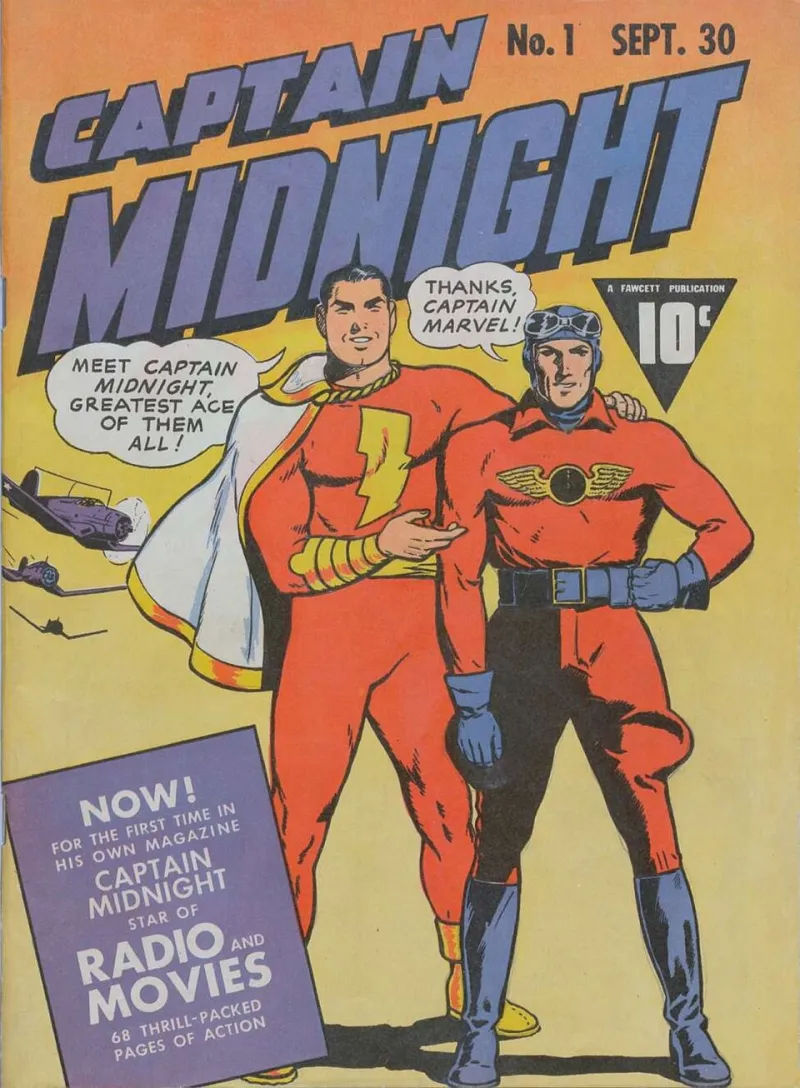
Photo: UnknownUnknown , , The original uploader was Fma12 at English Wikipedia., Public domain, via Wikimedia Commons
Here at 6th Dimension, we live for this stuff. Alternate realities, fractured timelines, versions of familiar characters doing wildly unexpected things — it's basically the entire reason this site exists. So when both Marvel and DC decided to go headfirst into multiverse storytelling within a few years of each other, we had to ask the obvious question: who's actually doing it better?
Spoiler alert — it's complicated.
The Rules of the Game Matter More Than You Think
Before we start throwing punches, let's talk about something that rarely gets enough credit in these conversations: internal logic. A multiverse story lives or dies by how consistently it plays by its own rules. If anything can happen at any time for any reason, the stakes evaporate. Audiences stop caring because nothing feels permanent.
Marvel, to its credit, spent years laying groundwork. The Ancient One's speech in the original Doctor Strange (2016) quietly planted the seeds — the idea that timelines branch, that sorcerers protect reality's structure, that messing with time has consequences. By the time Avengers: Endgame rolled around, the Time Heist worked because viewers had a rough mental model of how Marvel's multiverse operated. It wasn't perfect science, but it felt earned.
DC's approach has been... let's say more improvisational. The DCEU's multiverse logic shifted depending on which film you were watching, and the rules seemed to bend around whatever emotional beat the story needed in that moment. That's not always a death sentence for storytelling — but it does make it harder for fans to invest in the consequences.
Doctor Strange and the Art of Overwhelming the Audience
Doctor Strange in the Multiverse of Madness (2022) is fascinating precisely because it's a film that had everything going for it and still left people divided. Sam Raimi's direction gave it genuine visual dread. The Illuminati sequence was pure fan-service rocket fuel. And yet something felt slightly off for a lot of viewers.
The problem wasn't ambition — it was coherence. The film introduced Incursions (universe-colliding catastrophes caused by multiversal travel), then never fully explored what that meant for the stakes. Characters arrived from alternate realities and died before we could care about them. The multiverse felt less like a living, breathing system and more like a prop for set pieces.
To be fair, Spider-Man: No Way Home — released just months earlier — pulled off something genuinely remarkable. By grounding its multiverse mechanics in nostalgia and character emotion, it made audiences feel the weight of alternate realities without needing a physics lecture. That's a harder trick than it sounds.
The Flash: Ambition, Chaos, and a Really Expensive Mess
DC's big multiverse swing came with The Flash (2023), a film that had one of the longest and most troubled development cycles in modern superhero history. And honestly? Parts of it worked beautifully.
Ezra Miller's dual performance as two versions of Barry Allen was more nuanced than the marketing suggested. The emotional core — a son trying to save his mother, only to discover that some timelines can't be rewritten without catastrophic cost — is genuinely compelling multiverse storytelling. It echoes the best of what DC's comics have done with stories like Flashpoint, which remains one of the most impactful alternate-reality narratives in the medium.
But the execution stumbled badly in places. The CGI, particularly in the film's climax, became a meme before the movie even left theaters. The cameo-heavy final act felt like corporate decision-making dressed up as storytelling. And the film's relationship to the broader DC continuity was so muddled that casual audiences had no real way to understand what was at stake cosmically.
Comics: Where Both Franchises Actually Shine
Here's the thing that gets lost in the movie conversation — both Marvel and DC have produced genuinely brilliant multiverse storytelling in comics form, and that legacy matters.
DC's Crisis on Infinite Earths (1985) essentially invented the modern concept of a shared multiverse reset. It was bold, devastating, and changed comics forever. Infinite Crisis, Final Crisis, and more recently Dark Nights: Metal have all pushed the concept further, often to thrilling effect. DC's comics writers have decades of practice making alternate realities feel emotionally meaningful rather than just intellectually interesting.
Marvel's Secret Wars (2015) — Jonathan Hickman's sprawling, years-in-the-making collision of universes — is arguably the most ambitious multiverse story either publisher has ever attempted. It was dense, occasionally inaccessible, but for readers who went along for the ride, it was genuinely awe-inspiring in scale.
So Who Actually Got It Right?
The honest answer is that neither franchise has delivered a consistently excellent multiverse across all its platforms — but both have had moments of real brilliance.
Marvel wins on infrastructure. The MCU built its multiverse mythology slowly and deliberately, and when it clicks (No Way Home, Loki Season 1, What If...?), it genuinely expands the emotional and creative possibilities of the universe. The TVA as a concept — a bureaucracy that prunes unauthorized timelines — is one of the most interesting bits of multiverse worldbuilding in recent pop culture.
DC wins on emotional ambition. When DC's multiverse stories work, they work because they're willing to let the alternate reality stuff mean something personal. Flashpoint hurts because it's about grief and guilt, not just cool alternate versions of Batman. Crisis on Infinite Earths hit so hard because DC was willing to permanently kill beloved characters to prove the stakes were real.
For fans living in the 6th Dimension — that space where reality ends and imagination takes over — the multiverse isn't just a plot device. It's a promise. A promise that every choice matters, every timeline has weight, and somewhere out there, another version of the story you love is playing out differently. Both Marvel and DC understand that promise. They just keep finding different ways to almost — but not quite — fully deliver on it.
And honestly? Watching them both try is half the fun.